
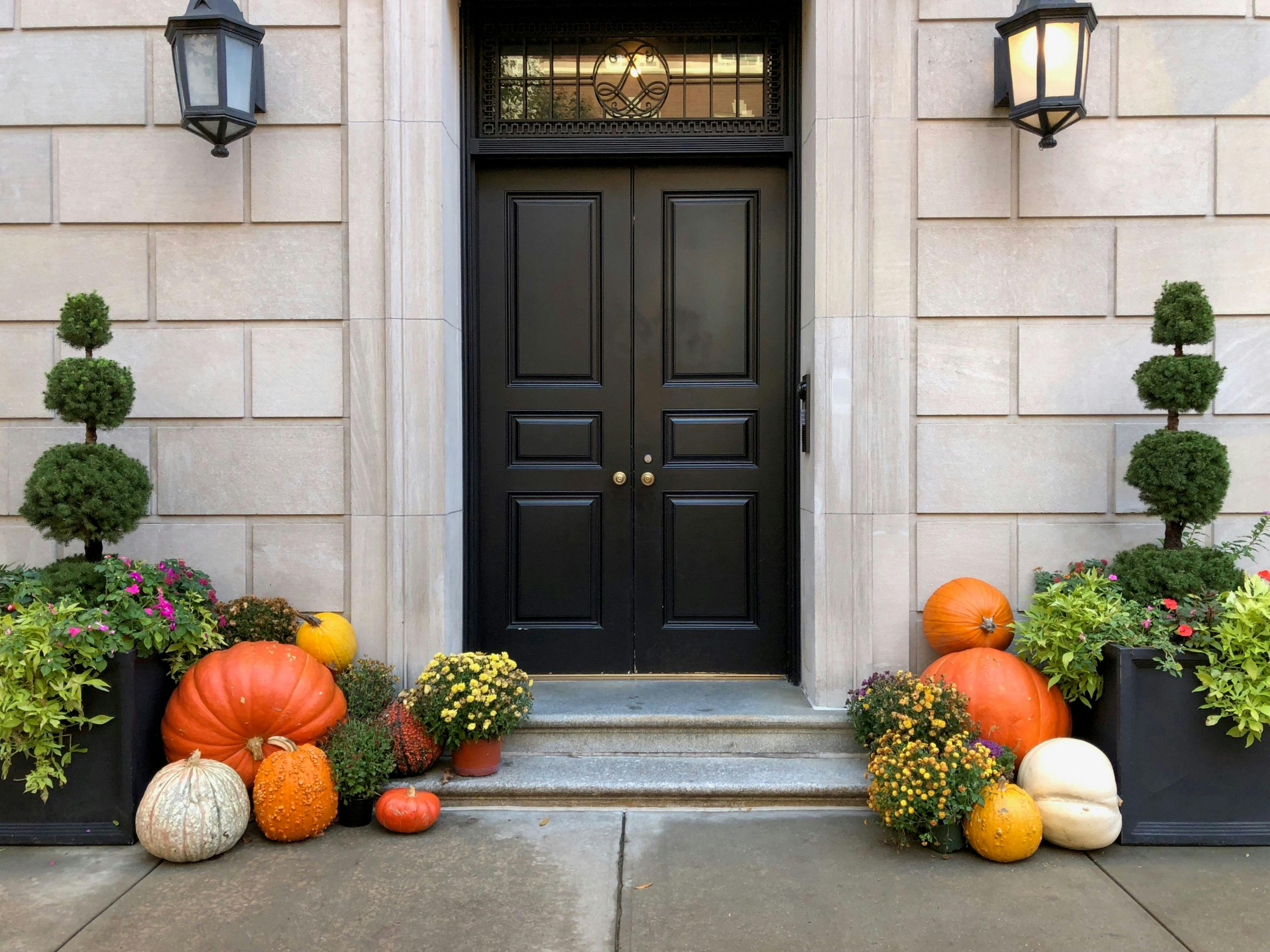
Quick answer: black interior doors work in almost any room. Black acts as a neutral indoors, not a bold colour. It frames a doorway. It hides everyday marks better than white. And it pairs well with warm wood tones, brass hardware, and painted walls alike.
Why Black Interior Doors Have Become So Popular
White has been the default door colour in UK homes for decades. Mostly, that’s because it was the standard trade finish, not a deliberate design choice. Black interior doors flip that idea. Instead of blending into the wall, the door becomes a defined frame around the doorway. As a result, hallways and open-plan layouts feel more architectural, not just functional.
Black reads as a neutral next to almost any wall colour, from white to grey to sage green to terracotta. So it’s a lower-risk choice than it looks on paper.
Where Black Doors Suit a Home Best
- Hallways and landings — a run of matching black doors creates a strong sightline. It makes a small hall feel more considered.
- Glazed doors between rooms — black-framed interior glazed doors let light through while still giving definition. Popular in kitchen-diner conversions.
- Home offices and studies — a single black door on a pale floor gives a room a clear “start”, without needing dark walls.
- Bathrooms and cloakrooms — black works well against tile. It also helps disguise handle marks in high-traffic areas.
Shades of Black to Consider
Not all “black” interior doors are true black. Many decorators use an off-black or a very dark charcoal instead. From a normal viewing distance, it reads as black. But it’s more forgiving of dust, fingerprints, and daylight glare than a pure jet black. A true black works best in rooms with good natural light. A softer near-black suits darker hallways, where flat black can look almost too heavy.
Hardware and Finishing Touches
The hardware makes as much difference as the door colour itself:
- Brass or brushed brass handles — a warm contrast, and currently the most popular pairing with black doors
- Matt black hardware — a tone-on-tone look, so the door reads as one uninterrupted block of colour
- Chrome or nickel — a cooler, more contemporary contrast for minimalist interiors
Skirting and architrave don’t need to match the door. In fact, many UK homes keep white trim around a black door. That way, the room stays bright while the door does the styling work.
Cost of Black Interior Doors
| Option | Typical UK Price Range |
|---|---|
| Pre-primed white door + black paint (DIY) | £40–£90 per door, paint included |
| Factory-finished black moulded/veneered door | £90–£220 per door |
| Solid oak or made-to-measure black-finished door | £250–£600+ per door |
| Professional hanging/fitting per door | £60–£120 |
Maintenance: Do Black Doors Show More Marks?
This is the most common worry. The honest answer: it depends on the finish. A satin or eggshell finish hides fingerprints and everyday scuffs much better than high gloss. Gloss black shows every mark under direct light. For busy households, satin black on a smooth panel is the easiest to keep looking clean.
Frequently Asked Questions
Do black interior doors make a room feel smaller?
Not usually, as long as walls and trim stay light. A black door against pale walls acts as a single focal point. It doesn’t reduce the sense of space on its own. What actually shrinks a room is dark walls plus a dark door together, not the door alone.
What paint finish is best for a black interior door?
Satin or eggshell is the most forgiving for everyday use. It’s durable enough around the handle, yet easier to keep clean than full gloss, which highlights every fingerprint and dust mark.
Do black doors suit period and cottage-style homes?
Yes. Black has long been used on panelled doors in Victorian and Georgian homes. So a black finish on a traditional panelled door sits comfortably in a period property, alongside features like cottage interior doors and original skirting.