
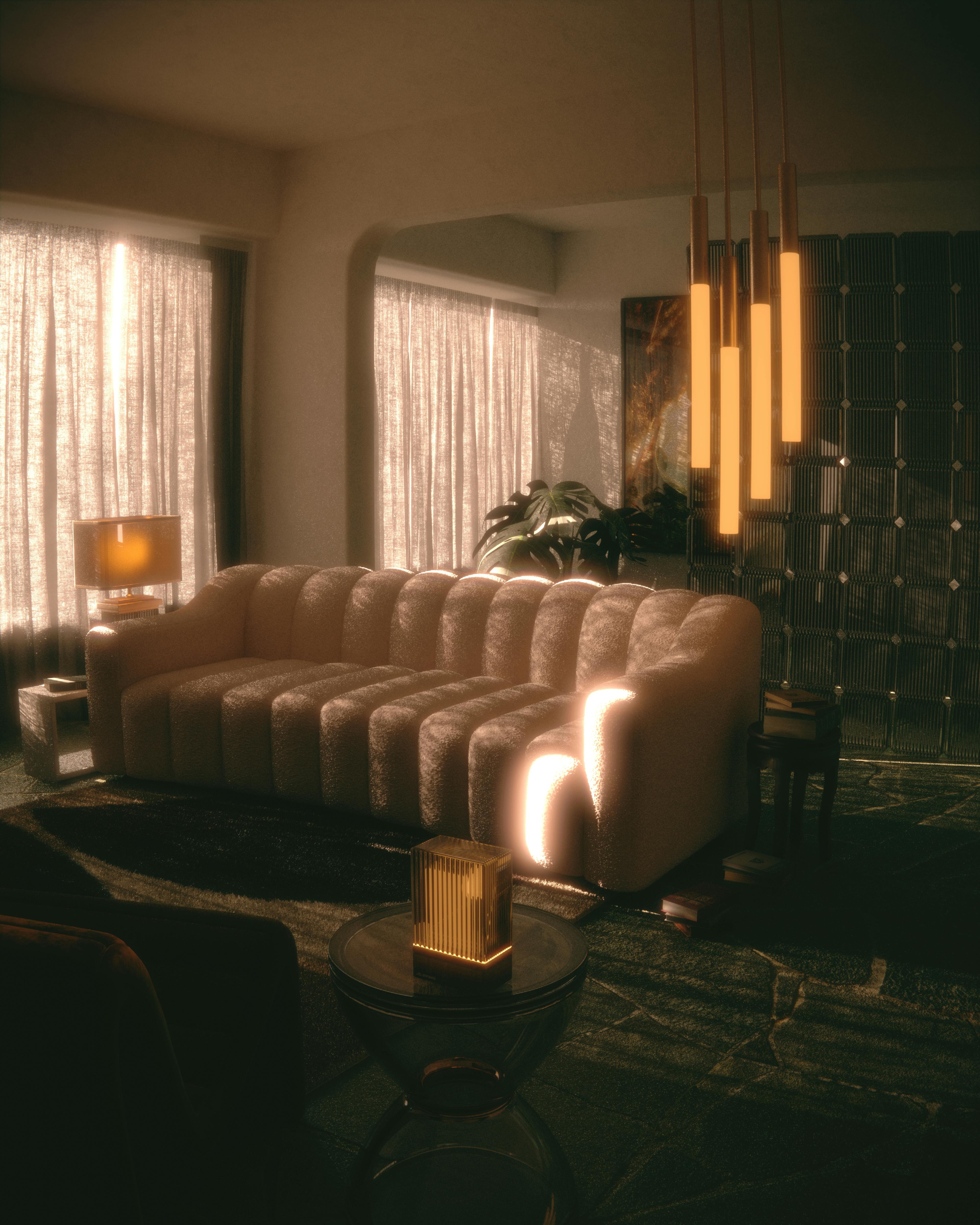
Interior design atmosphere is the feeling a room gives you, before you even notice why. It comes from light, colour, texture, and layout working together, not any single choice on its own. Get the mix right, and a room feels calm, energising, or cosy, without a word being said about it.
Light Sets the Tone First
Natural light shapes atmosphere more than almost anything else. A room with soft, filtered daylight feels calmer than one with harsh, direct sun. In the evening, layered lighting matters just as much. A single overhead bulb creates a flat, functional feel. Table lamps, wall lights, and dimmed accents build warmth instead.
Colour and Emotional Register
Warm tones, like terracotta, ochre, and soft red, tend to energise a space. Cool tones, like sage, slate, and dusty blue, tend to calm it. Neither is “better” — the right choice depends on the room’s purpose. A home office might lean cooler, to support focus. A living room might lean warmer, to feel inviting.
Texture Adds Depth
A room built entirely from smooth, hard surfaces can feel cold, even in a warm colour palette. Soft textures, like a wool throw, a woven rug, or linen curtains, add depth and comfort. Mixing textures, rather than relying on one throughout, is usually what makes a room feel considered rather than flat.
Layout and a Sense of Flow
Furniture arrangement affects atmosphere just as much as colour does. A room where seating faces inward, toward a shared focal point, feels more social and relaxed. A room with furniture pushed to the edges can feel formal, or even a little uninviting. Leaving clear pathways between pieces also matters, since a cluttered layout creates a subtly stressful undertone, even in an otherwise well-decorated room.
Scent and Sound, Often Overlooked
Atmosphere isn’t only visual. A softly scented candle, or the sound of a room (soft furnishings absorbing echo, versus a bare room that feels harsh) both shape how a space feels within seconds of entering it. These are small additions, but they often explain why one room feels “right” and another, decorated similarly, doesn’t.
Frequently Asked Questions
What’s the fastest way to change a room’s atmosphere?
Lighting. Swapping a single overhead light for layered lamps and warmer bulbs changes the feel of a room almost immediately, without any redecorating.
Can a small room still feel calm and spacious?
Yes. Light, uncluttered layouts and a limited colour palette do more for a small room’s atmosphere than size alone. A well-lit, tidy small room often feels calmer than a large, cluttered one.
Does every room need the same atmosphere?
No. A bedroom and a home office usually call for different moods. Matching the atmosphere to the room’s purpose, rather than applying one style throughout the house, tends to work better.