
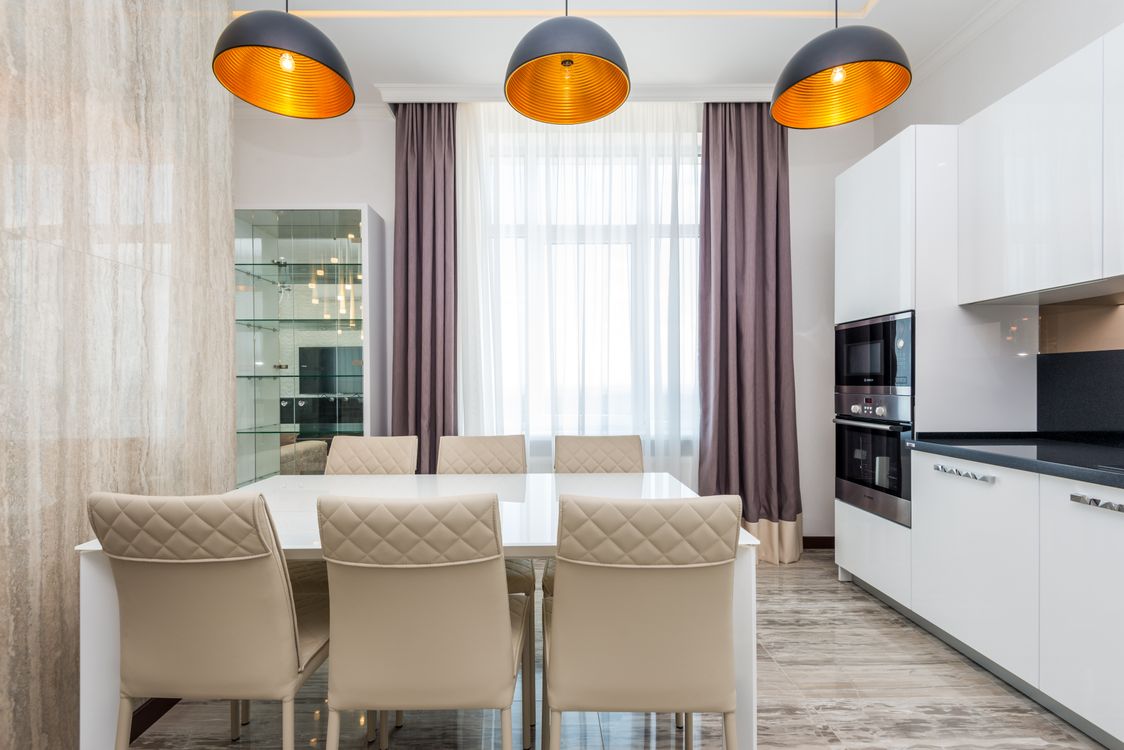
The kitchen is often considered the heart of the home, where meals are prepared, conversations are had, and memories are made. As such, it’s crucial to create a space that is not only functional but also inviting. One of the key elements in achieving this is lighting. Proper lighting can transform the look and feel of your kitchen, making it a warm and welcoming space for both everyday tasks and special occasions.
Good lighting is essential for various activities in the kitchen, such as food preparation, cooking, and cleaning. It not only helps you see what you’re doing but also enhances the overall experience. The right lighting can make your kitchen feel more spacious, highlight architectural features, and even set the mood for different occasions. That’s where dimmable downlighting comes in.
What is dimmable downlighting?
Dimmable downlighting refers to a type of lighting fixture that can be adjusted to emit varying levels of brightness. These fixtures are usually recessed into the ceiling, providing a sleek and streamlined appearance. The ability to dim the lights allows you to create the perfect ambiance for any situation, whether it’s a romantic dinner, a family gathering, or simply relaxing after a long day.
Dimmable downlights typically use LED technology, which offers numerous benefits. LED lights are energy-efficient, long-lasting, and produce a warm, natural light that is pleasing to the eye. They also generate less heat compared to traditional incandescent bulbs, making them safer and more comfortable to have in the kitchen.
Advantages of using dimmable downlighting in the kitchen
There are several advantages to using dimmable downlighting in your kitchen .Firstly, it allows you to have control over the intensity of light, giving you the ability to create a cosy and inviting atmosphere. By dimming the lights, you can soften the overall brightness, making the space feel more intimate and relaxing.
In addition to setting the right mood, dimmable downlights also provide optimal functionality in the kitchen. By illuminating specific areas, such as countertops and cooking surfaces, you can ensure that tasks are completed with precision and ease. Whether you’re chopping vegetables, reading a recipe, or plating a dish, having adequate lighting in these areas is essential for safety and efficiency.
Another advantage of dimmable downlighting is its versatility. Unlike fixed lighting fixtures, such as pendant lights or chandeliers, which provide a fixed level of brightness, dimmable downlights offer the flexibility to adjust the lighting according to your needs. This makes them suitable for various activities in the kitchen, from bright task lighting for cooking to soft ambient lighting for dining or entertaining.
Factors to consider when choosing dimmable downlights for your kitchen
When selecting dimmable downlights for your kitchen, there are several factors to consider. Firstly, you’ll need to determine the number of lights required based on the size and layout of your kitchen. It’s important to ensure that the lighting is evenly distributed to avoid any dark spots or shadows.
Next, consider the colour temperature of the lights. Colour temperature is measured in Kelvin (K) and refers to the warmth or coolness of the light emitted. For a cosy and inviting ambiance in the kitchen, look for dimmable downlights with a warm white light, typically around 2700K to 3000K. This will create a soft and pleasant glow that is reminiscent of traditional incandescent bulbs.
Additionally, pay attention to the beam angle of the downlights. A wider beam angle will provide more even lighting across the kitchen, while a narrower beam angle can be used to highlight specific areas or features. It’s also worth considering the dimming range of the downlights, as some may have a wider range of adjustability compared to others.
Lastly, consider the overall aesthetics of the downlights. Choose a style that complements your kitchen’s design and matches your personal taste. Whether you prefer a minimalist look or something more decorative, there are dimmable downlights available in a variety of finishes and designs to suit any kitchen style.
How to install dimmable downlights in your kitchen
Installing dimmable downlights in your kitchen canbe a straightforward process, especially if you already have existing recessed lighting. However, if you’re not comfortable working with electrical wiring, it’s always best to hire a licensed electrician to ensure the installation is done safely and correctly.
Here’s a general overview of the installation process for dimmable downlights:
- Start by turning off power to the area where you’ll be installing the downlights. Locate the circuit breaker for the kitchen and switch it off.
- Remove the existing light fixtures, if any, and disconnect the wiring. Be sure to follow proper electrical safety procedures, such as wearing insulated gloves and using a voltage tester to ensure the power is off.
- Measure the spacing for the downlights based on the manufacturer’s recommendations. Typically, downlights should be spaced evenly, approximately 4 to 6 feet apart, depending on the ceiling height and desired lighting effect.
- Use a hole saw or a suitable cutting tool to create openings in the ceiling for the downlights. Be mindful of any electrical wires or plumbing pipes that may be hidden behind the ceiling.
- Install the downlight fixtures into the openings, following the manufacturer’s instructions. Make sure they are securely fastened and flush with the ceiling.
- Connect the wiring for the downlights, ensuring the correct polarity and proper grounding. If you’re unsure about the wiring process, consult a licensed electrician.
- Once the wiring is complete, turn the power back on and test the dimmable downlights to ensure they are functioning properly. Adjust the dimmer switch to find the desired level of brightness.
Remember, safety should always be a priority when working with electricity. If you’re unsure about any aspect of the installation process, it’s best to consult a professional electrician.
Tips for creating the perfect lighting ambiance in your kitchen
Now that you have installed dimmable downlights in your kitchen, it’s time to create the perfect lighting ambiance. Here are some tips to help you make the most of your dimmable downlights:
- Experiment with different brightness levels: Dimmable downlights allow you to adjust the brightness to suit your needs. Play around with different levels of brightness to find the perfect setting for different activities, such as cooking, dining, or entertaining.
- Layer your lighting: In addition to downlights, consider incorporating other types of lighting to create a layered effect. This can include under-cabinet lighting, pendant lights, or even wall sconces. By combining different sources of light, you can add depth and visual interest to your kitchen.
- Use warm white light for a cosy ambiance: As mentioned earlier, opt for dimmable downlights with a warm white light for a cosy and inviting ambiance. This soft and gentle glow will create a warm and welcoming atmosphere in your kitchen.
- Install a dimmer switch: To have full control over your dimmable downlights, install a dimmer switch. This will allow you to easily adjust the brightness to match the mood or task at hand. Dimmer switches are available in various styles and can be easily retrofitted to existing switches.
- Consider task lighting: While dimmable downlights provide overall ambient lighting, it’s important to also have dedicated task lighting in key areas of your kitchen. This can include under-cabinet lighting or adjustable spotlights for specific tasks, such as food preparation or reading recipes.
- Don’t forget about accent lighting: Accent lighting can be used to highlight architectural features, artwork, or decorative elements in your kitchen. Consider installing small spotlights or track lighting to draw attention to these focal points and add visual interest.
Remember, the goal is to create a lighting scheme that is both functional and aesthetically pleasing. Don’t be afraid to experiment and adjust the lighting levels until you find the perfect balance that suits your needs and personal style.
Maintenance and care for dimmable downlights
To ensure your dimmable downlights continue to provide optimal performance, it’s important to properly maintain and care for them. Here are some maintenance tips to keep in mind:
- Regularly clean the fixtures and bulbs: Dust and debris can accumulate on the surface of the downlights, affecting their brightness and overall performance. Use a soft cloth or a duster to gently clean the fixtures and bulbs on a regular basis.
- Check for loose connections: Over time, the wiring connections for the downlights can become loose. Periodically check the connections to ensure they are secure and tighten any loose screws or terminals if necessary.
- Replace faulty bulbs promptly: If you notice any flickering or dimming of the downlights, it may be a sign of a faulty bulb. Replace the bulb with a new one of the same type and wattage to maintain consistent lighting performance.
- Inspect the dimmer switch: If you have a dimmer switch installed, check it periodically for any signs of wear or damage. Replace the dimmer switch if it becomes faulty or shows signs of electrical issues.
By following these simple maintenance practices, you can prolong the lifespan of your dimmable downlights and ensure they continue to provide optimal lighting in your kitchen.
Energy-saving benefits of dimmable downlighting
In addition to enhancing the ambiance and functionality of your kitchen, dimmable downlighting also offers energy-saving benefits. LED lights, which are commonly used in dimmable downlights, are highly energy-efficient compared to traditional incandescent bulbs.
LED lights convert a higher percentage of energy into light, resulting in less wasted energy and lower electricity bills. They also have a longer lifespan, meaning you’ll spend less time and money on replacing bulbs. On average, LED lights can last up to 25 times longer than incandescent bulbs, saving you both time and money in the long run.
Furthermore, dimmable downlights allow you to adjust the brightness to match your needs, reducing the overall energy consumption. By dimming the lights, you can lower the wattage and save even more energy. This level of control not only helps reduce your carbon footprint but also contributes to a more sustainable and eco-friendly kitchen.
Other lighting options to consider for your kitchen
While dimmable downlighting is a popular choice for kitchens, there are other lighting options to consider to further enhance the overall lighting scheme in your space. Here are a few alternatives worth exploring:
- Under-cabinet lighting: Installing under-cabinet lighting can provide additional task lighting for countertop activities, such as food preparation and cooking. This type of lighting can be recessed or surface-mounted and is available in various styles, including LED strips and puck lights.
- Pendant lights: Pendant lights can add a touch of elegance and visual interest to your kitchen. They are available in a wide range of styles, shapes, and sizes, making them suitable for various kitchen designs. Pendant lights can be used as task lighting above islands or dining tables, or as decorative accents in other areas of the kitchen.
- Track lighting: Track lighting is a versatile option that allows you to direct the light to specific areas or objects in your kitchen. It consists of a track with adjustable fixtures that can be moved and rotated to illuminate different parts of the room. Track lighting is particularly useful for highlighting artwork, architectural features, or decorative elements.
- Wall sconces: Wall sconces can be used to add a warm and inviting glow to your kitchen. These fixtures are mounted on the wall and provide both ambient and accent lighting. Wall sconces are available in various designs, from sleek and modern to ornate and traditional, allowing you to find a style that complements your kitchen’s aesthetic.
Remember, when choosing additional lighting options for your kitchen, it’s important to consider how they will work together with your dimmable downlights to create a cohesive and balanced lighting scheme.
Conclusion: Enhancing your kitchen with dimmable downlighting
In conclusion, dimmable downlighting is a fantastic option for illuminating your kitchen with both ambiance and functionality in mind. With the ability to adjust the intensity of light, dimmable downlights offer the ultimate flexibility in creating the perfect lighting scheme for any occasion.
By installing dimmable downlights in your kitchen, you can easily set the right mood and atmosphere, whether it’s a romantic dinner, a family gathering, or simply enjoying a quiet evening at home. The ability to dim the lights also provides optimal functionality by illuminating specific areas for tasks, ensuring safety and efficiency in your kitchen.
When choosing dimmable downlights, consider factors such as the number of lights needed, colour temperature, beam angle, and overall aesthetics. Take the time to install them properly, or consult a licensed electrician if you’re unsure. Once installed, experiment with different brightness levels, layer your lighting, and consider task and accent lighting to create the perfect lighting ambiance.
Remember to properly maintain and care for your dimmable downlights to ensure they continue to provide optimal performance. Enjoy the energy-saving benefits of LED technology and explore other lighting options, such as under-cabinet lighting, pendant lights, track lighting, or wall sconces, to further enhance your kitchen’s lighting scheme.
Illuminate your kitchen with dimmable downlighting and experience the difference it can make in enhancing both the ambiance and functionality of your space. Create a kitchen that not only looks beautiful but also feels warm and inviting, making it the perfect gathering place for family and friends.