
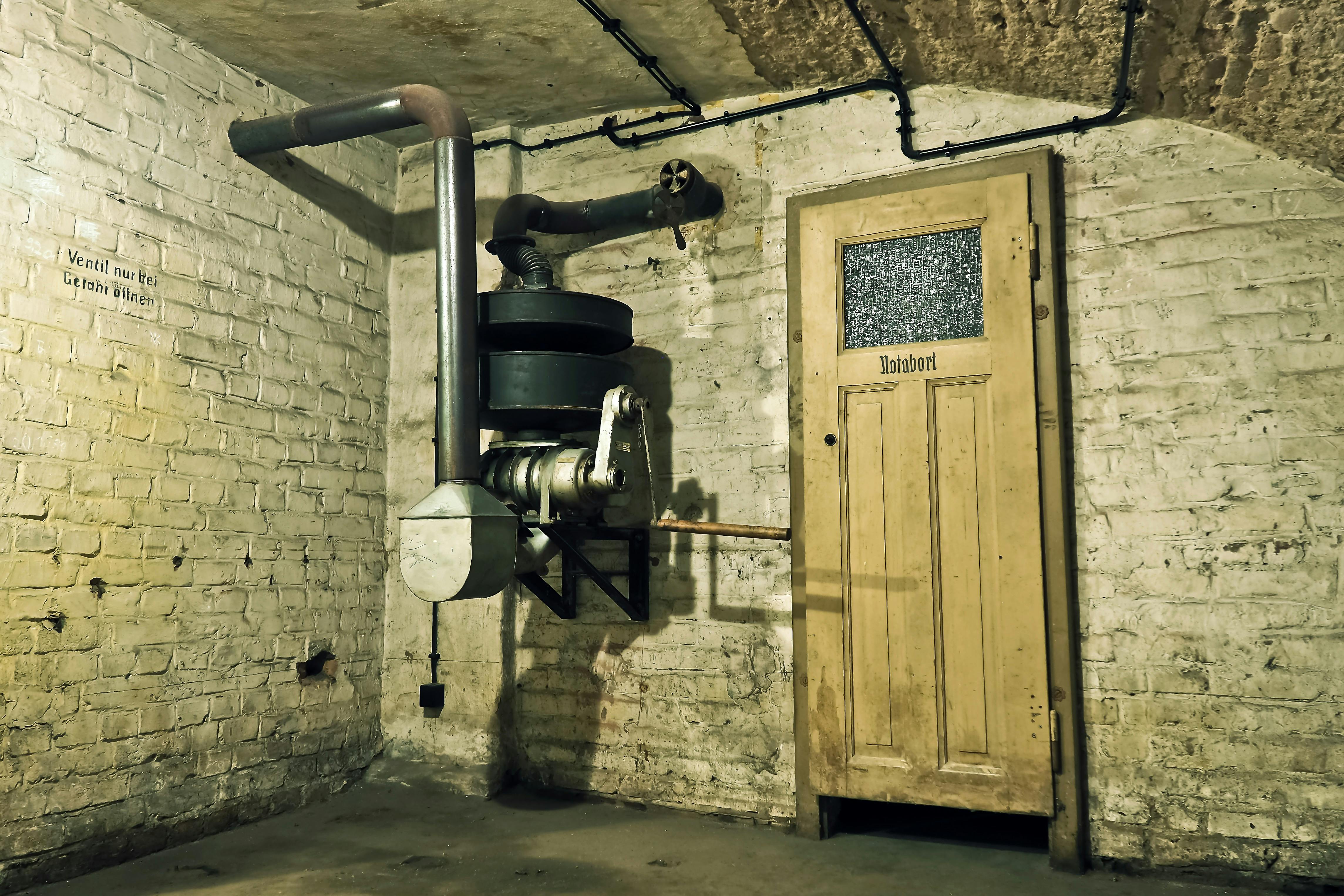
1930s interior doors have a distinctive look, easy to spot once you know what to look for. Increasingly, homeowners in period properties are restoring or recreating them, rather than replacing them with generic modern panels. Here’s what defines the style, and how to work with it.
What Defines a 1930s Interior Door
- Four or six-panel layout — typically two small upper panels and two or four larger lower panels, sometimes with a horizontal centre rail
- Sunburst or fielded panel detailing — a decorative moulded pattern in the upper panels, common in higher-spec 1930s semis. Look for the “sunburst” or “sunray” motif, also seen in stair spindles.
- Solid timber construction — original doors were almost always solid wood, noticeably heavier than a modern hollow-core door
- Simple door furniture — often bakelite or brass, round or octagonal handles, rather than the longer lever handles common today
Restoring an Original 1930s Door
Most surviving original doors are structurally sound, even after decades of paint layers. They were built from solid, well-seasoned timber. Here’s the usual restoration process:
- Strip old paint layers carefully, with a chemical stripper or heat gun, in a ventilated space. This reveals the original panel detailing, often lost under years of gloss paint.
- Repair any split panels or loose joints with wood glue and clamps, rather than filler alone. Panels move slightly with humidity, and filler can crack out over time.
- Sand back to bare wood and refinish. Paint it in a period-appropriate colour, or varnish or oil it if the grain is attractive.
- Refit period-appropriate door furniture. Or source reproduction handles and finger plates, if the originals are missing.
Matching New Doors to a 1930s House
Sometimes an original door is missing, or beyond repair. In that case, reproduction 1930s-style doors are widely available from specialist joinery suppliers, matching the panel proportions and sunburst detailing of the era. This matters most at the front of the house. Internal doors are more forgiving — a simpler four-panel design, without the decorative moulding, still reads as broadly period-appropriate next to cottage interior doors of a similar vintage.
Frequently Asked Questions
Should I paint or varnish a 1930s door?
Original 1930s doors were often varnished or grained, particularly in higher-spec homes, though painted doors were common too. If the timber and panel detailing are in good condition, varnishing shows off the joinery. Painting is more practical if the wood has been heavily repaired or filled.
Are 1930s doors a standard size?
Broadly yes, but not identical to today’s standard sizes. Many 1930s doors differ slightly in height and width from modern standard doors. So an original door, moved between openings in the same house, may need minor trimming to fit.
Is it worth restoring rather than replacing a 1930s door?
In most cases, yes. Original solid timber doors are generally better quality than budget modern replacements. Restoration usually costs less than a comparable reproduction door too, once fitting is factored in.