
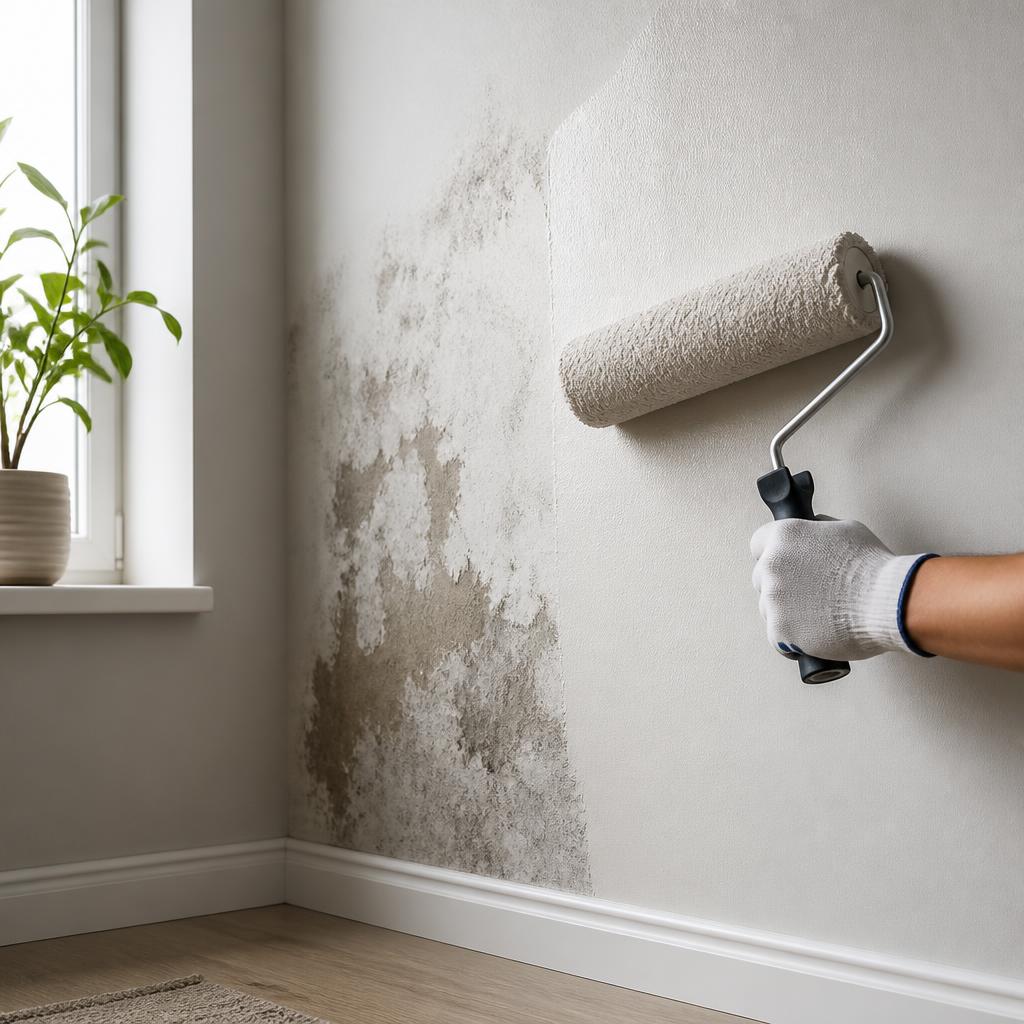
Damp proof paint for interior walls is designed to block moisture from passing through a wall surface, rather than just covering up a stain. It’s a genuinely useful product for mild, surface-level damp, but it isn’t a fix for every kind of damp problem, and it’s worth knowing the difference before relying on it.
What Damp Proof Paint Actually Does
Most damp proof paints work by forming a waterproof barrier on the wall surface, often based on a bitumen or specialist acrylic formula. This stops moisture already in the wall from reaching the surface and damaging decoration above it. It doesn’t stop moisture getting into the wall in the first place, which is why it’s best treated as a surface solution, not a structural repair.
When Damp Proof Paint Is the Right Choice
- Mild, persistent damp staining with no clear structural cause
- Walls in bathrooms or kitchens exposed to regular condensation
- As a finishing step after a proper damp-proofing repair has already been carried out
When It’s Not Enough on Its Own
If damp is caused by a failed damp-proof course, rising damp, a leaking pipe, or penetrating damp from outside, paint alone won’t solve it. Trapping moisture behind a sealed surface without fixing the source can make the underlying problem worse over time. For anything beyond light surface staining, it’s worth reading about how cavity wall insulation affects damp and energy efficiency, since insulation and damp issues are often linked in older homes, and addressing one without the other rarely solves the problem fully.
How to Apply Damp Proof Paint
- Identify and address the source of the damp first, wherever possible, rather than painting over an active leak
- Let the wall dry out as much as possible before starting
- Remove any loose, flaking, or blistered paint back to a sound surface
- Apply the damp proof paint in line with the manufacturer’s coverage rate, usually two coats
- Leave the recommended curing time before applying a standard decorative topcoat over it
Frequently Asked Questions
Can I paint straight over damp proof paint?
Yes, most damp proof paints are designed to take a standard emulsion topcoat once fully cured, so the wall doesn’t need to stay a raw, unfinished colour.
How long does damp proof paint last?
Most manufacturers rate their products for several years, though this depends heavily on how much ongoing moisture the wall is exposed to underneath.
Does damp proof paint smell strong?
Bitumen-based formulas tend to have a noticeable odour during application and drying, so good ventilation matters. Acrylic-based alternatives are generally lower odour.